Tel: +86-21-60530355
Mobile: +8615214379688
E-mail: sales@beallindustry.com
Address: No.1088 XinJinQiao Road, PuDong, Shanghai, China


The Best Stainless Steel Bar Manufacture
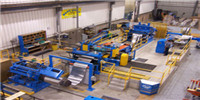
Beall Industry Group Co., Limited is the leading manufacturer and supplier of stainless steel, duplex stainless and super nickle alloy materials with more than 25 years experience of supplying to a great variety of end users from different fields. Beall Industry Group, establlished in 1992, now covers a total landing area 520,000 square meters and nearly 500 employees.
Quality control
In the processing of production, our professional technical engineers inspect the processing to ensure the quality of products,After our machine finish , our engineer will make 24 hours test constantly and ensure the machine reach to the best performance.
One-stop Solution
With rich experience and one-to-one service,we can help you choose products and answer technical questions.
Make it personal
When you work with us, you can count on personalized, one-on-one service every step of the way.
World-wide expertise
We know international markets and trends. Our expertise, experience and network cover all corners of the world.
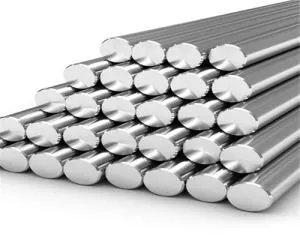
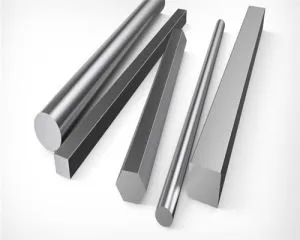
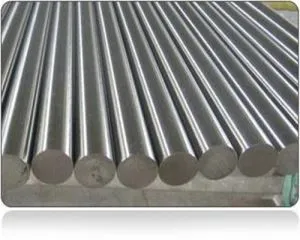
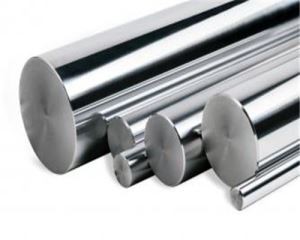
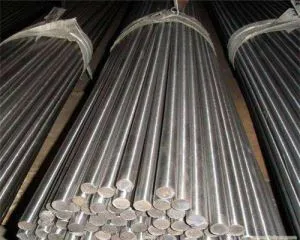
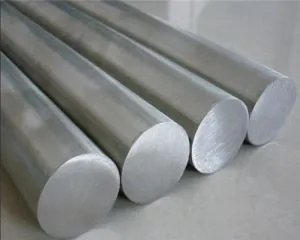
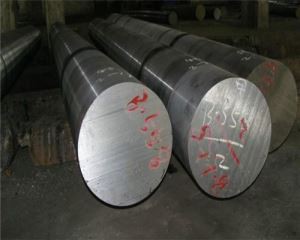
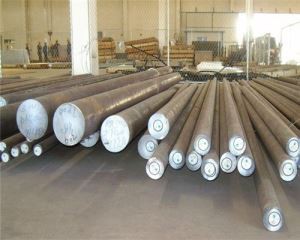
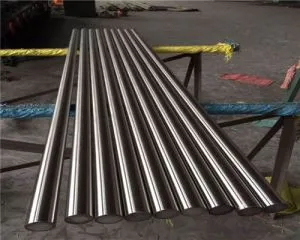
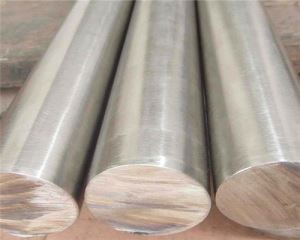
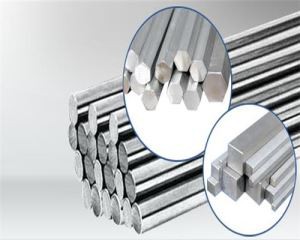
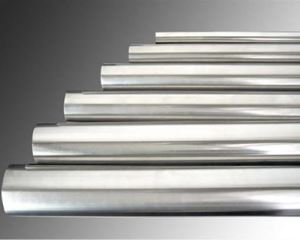
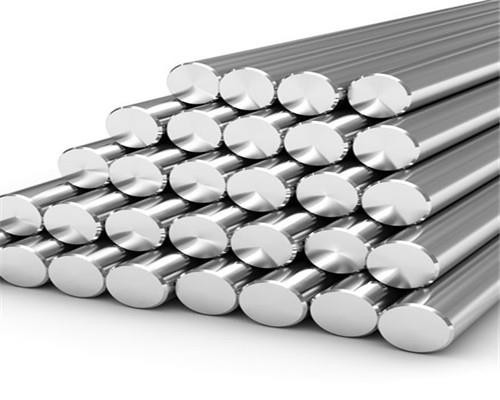
Stainless steel bar stock is a metal alloy that contains at least 10.5% chromium and enough nickel to make it hardenable. Carbon steel is an iron-carbon alloy not stainless, meaning it can rust easily.
Stainless steel round bar is one of the most durable metals available today. Its chromium content gives it superior corrosion and rust resistance levels, making it perfect for several applications where durability is key.stainless steel round bars can be used in high-pressure applications, as well as for outdoor furniture or construction projects that need to withstand harsh weather conditions. Furthermore, stainless steel resists pitting and cracking better than other materials, which makes it an excellent choice for use in industrial environments. This metal has increased strength and hardness over time, so it can last even longer when properly cared for. All these attributes make stainless steel round bars among the most dependable metals on the market today!
Stainless steel round bar is ideal for applications requiring superior corrosion resistance. Its chromium content helps form a passive oxide film that prevents surface corrosion, making it especially useful in environments with salt water or other corrosive elements. The alloy’s nickel content further enhances its ability to resist oxidation and chloride stress cracking. In addition, the stainless steel round bar offers excellent weldability, mechanical properties, and formability, making it a great choice for industrial applications in many industries where long-term performance matters most.
Stainless steel round bar has tremendous strength. This is largely due to its chromium content, which gives it remarkable corrosion resistance and high tensile strength. It also resists warping and distortion when subjected to heat or pressure, making it an excellent choice for metalworking projects. Even in extreme temperature ranges, stainless steel round bar maintains a stable performance with minimal risk of fatigue or fracture. The strength of stainless steel is impressive even at low temperatures; it can handle dynamic loads that would otherwise cause standard metals to succumb quickly to fatigue failure. Nowhere else can you find a material with the same durability as stainless steel!
Stainless steel round bars offer a range of aesthetic benefits thanks to their sleek and professional look. They are extremely durable, can last for years without requiring any maintenance or repair, and are heat-resistant and non-corroding. Their uniform shape allows them to be used in many applications, such as handrails, railings, fences, outdoor furniture, gazebos, and even more modern applications like sculptures with intricate patterns. The attractive mirror finish adds an appealing finesse that will enhance the overall look of any space while remaining low maintenance due to its corrosion resistance. Stainless steel is also hygienic, which makes it perfect for environments where hygiene is important such as hospitals or restaurants.
Stainless steel round bars are highly sustainable due to their superior corrosion, wear, and fatigue resistance. They are non-toxic, 100% recyclable with no loss of properties post-recycling process. They are highly durable (up to 20 times more resistant than carbon steels depending on the alloy) and economical (with fewer maintenance costs).stainless steel has a longer lifespan than other building materials and is easy to clean and maintain. This means it can be used for applications in traditional and modern construction projects with minimal environmental impact over its long lifetime.
Construction and Structural Applications
Used in building frameworks, supports, and reinforcements due to their high tensile strength.
Manufacturing and Fabrication
Employed in the production of machinery, tools, and equipment components.
Used to create shafts, axles, and pins in various machinery.
Automotive Industry
Utilized for making parts such as bolts, nuts, and other fasteners that require durability and resistance to corrosion.
Aerospace Applications
Used in the fabrication of aircraft components, where strength-to-weight ratio and corrosion resistance are critical.
Marine Applications
Ideal for boat fittings, railings, and hardware due to their ability to withstand harsh environments.
Food and Pharmaceutical Industry
Commonly used in equipment and fixtures, as stainless steel is easy to clean and resistant to bacteria, making it suitable for hygienic applications.
Decorative Applications
Used in architectural features, furniture, and fixtures for aesthetic purposes, as stainless steel has a modern appearance and can be polished.
Oil and Gas Industry
Used in pipelines and fittings due to their resistance to corrosive substances.
Ferritic stainless steel
Chromium-based, typically with carbon content at under 0.1%
Increased resistance to aggressive environmental conditions
Increased resistance to stress corrosion cracking (SCC)
More susceptible to intergranular corrosion
Brittle at very low temperatures
Most often used in fairly thin sheets or tubing, as welds aren’t especially tough
Austenitic stainless steel
Among the most common variant, used in a wide range of applications
Weldable and formable, due to their chemical makeup of manganese, nickel and nitrogen
Balances moderate strength, hardness (can’t be heat-treated but can be ‘work-hardened’), ductility and toughness
Relatively vulnerable to SCC unless nickel content is increased
Pitting and crevice corrosion resistance (CCR) can be enhanced with higher molybdenum content
Martensitic stainless steel
Higher carbon levels than ferritic alloys, allowing for tempering (hardness treatment)
Higher strength, but lower corrosion resistance than most other stainless types
Not especially formable or weldable
More often used in stainless steel rods, bars and other long products, as opposed to sheet materials
Duplex stainless steel
A mixture of ferritic and austenitic types; stronger than either on its own
Resistant to SCC
More vulnerable to IGC at higher alloy grades
Moderately formable
More expensive by weight, but increased strength can allow for less material use in some applications (e.g. tubing)
Precipitation hardening stainless steel
Can be manufactured to very high strengths with the addition of aluminium, niobium and copper
Relatively machinable without significant distortion
Can either be more or less corrosion resistant than other types, depending on additives, but higher resistance incurs considerably higher costs
1.Material Selection: The first step is the selection of the appropriate raw materials. The type of stainless steel used depends on the specific application, and factors such as corrosion resistance, strength, and durability are taken into consideration.
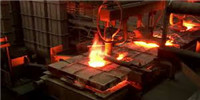
2.Melting: The selected raw materials are melted in a furnace, where they are heated to a high temperature until they become molten. The molten steel is then poured into a mold to form a billet.
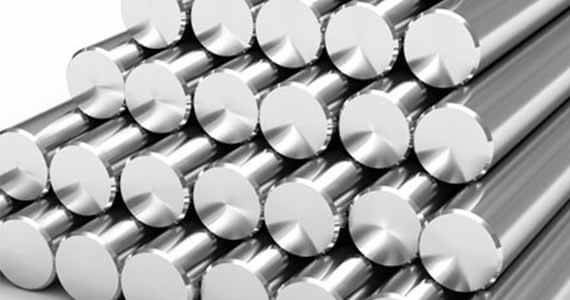
3.Hot Rolling: The billet is then heated to a temperature above its recrystallization temperature and passed through a series of rollers to form a long, thin bar. This process is called hot rolling, and it results in a round bar with a rough surface.
04
Annealing
After hot rolling, the round bar is annealed, which involves heating it to a high temperature and then slowly cooling it down. This process relieves internal stresses in the metal and improves its ductility and toughness.
05
Cold Drawing
The annealed round bar is then cold drawn through a series of dies to achieve the desired shape and size. This process results in a smooth surface finish and improves the dimensional accuracy of the bar.
06
Finishing
The finished round bar is then polished, cut to the desired length, and inspected for defects such as cracks, voids, or surface imperfections.
07
Packaging
The final step in the manufacturing process is packaging the finished round bars for shipping to customers.
Consider the type of stainless steel
Stainless steel is not a one-size-fits-all material. It comes in a variety of types, each with unique properties. The most common types of stainless steel used for round bars include 304, 316, and 17-4 ph. 304 stainless steel is a popular choice for general-purpose applications. It’s cost-effective, easy to weld, and has good corrosion resistance. Due to its superior corrosion resistance, 316 stainless steel is a higher-grade material used in harsher environments, such as marine applications. 17-4 ph stainless steel provides excellent strength and hardness properties, making it an ideal choice for applications that require high strength.
Determine the size and tolerance requirements
Stainless steel round bars are available in various sizes and tolerances. Before purchasing, you must determine the size requirements of your project. Factors to consider include the round bar’s diameter, length, and weight.it’s crucial to consider the tolerance requirements of your project. Tolerance refers to the acceptable deviation from the specified size or dimension. Tighter tolerance requirements may increase the cost of the round bar, but they may be necessary for certain applications that require precision.
Evaluate the surface finish
The surface finish of stainless – steel round bars is another critical factor. The surface finish refers to the condition of the bar’s surface after it’s been processed, including grinding, polishing, or buffing. The surface finish can affect the bar’s appearance, corrosion resistance, and performance. A smooth, polished surface is ideal for applications where appearance is critical, such as architectural projects.a more matte finish can be beneficial in harsh environments, where a polished surface may show scratches and abrasions more readily.
Assess the supplier’s reputation and quality assurance
Choosing a reputable supplier is just as important as selecting the right type of stainless-steel round bar. A reliable supplier should offer various grades and sizes to meet your project’s requirements, provide clear technical data and certifications, and offer quality assurance. Look for a supplier that has a proven track record of delivering high-quality products and has a robust quality control process in place. A reliable supplier should be able to provide a certificate of conformity, test reports, and other relevant documentation to ensure that the stainless – steel round bar meets your project’s specifications.
Regular Cleaning
Stainless steel needs to be cleaned on a regular basis to preserve its longevity. Routine cleaning required only a soft cloth or sponge and some mild detergent soaked in warm water. Avoid using harsh cleansers or scrubbing pads since they may harm the surfaces and fade its brilliance.
Directional Cleaning
Usually wipe off stainless steel surfaces in the same direction as the grain. Stainless steel has a specific grain pattern, and wiping along the direction of the grain helps to minimize the streaks and keeps the surface looking seamless.
Remove Stains Promptly
If you've noticed any streaks or marks on your stainless-steel surfaces, consider immediate care to keep them from becoming harsher over time. To get rid of challenging stains, consider specialized stainless-steel cleansers or non-abrasive cleaning materials made purely for stainless steel.
Avoid Harsh Chemicals
Stainless steel surfaces are not supposed to be cleaned with highly toxic substances like bleach, ammonia, or cleaners using chlorine bases as these products may harm and damage the material. Stick to gentle, non-abrasive cleaning products to preserve the integrity of the stainless steel.
Polish Regularly
Keep your stainless-steel surfaces looking like new, try polishing them on a regular basis. Stainless steel polishes offer a layer of additional safety against water stains, smudges, and fingerprints in along with enhancing the surfaces appear.
Protect Against Scratches
While stainless steel is resistant to scratches, it's not entirely scratch-proof. To minimize the risk of scratches, avoid using abrasive materials or sharp objects directly on the surface. Protect your surfaces from scratches and dents by using cutting boards, trivets, and protective pads.
Dry Thoroughly
After cleaning or polishing your stainless-steel surfaces, be sure to dry them thoroughly with a clean, dry cloth to prevent water spots and streaks. Leaving water to air dry can result in unsightly marks on the surface.
Consider Stainless Steel Conditioner
For outdoor stainless-steel surfaces exposed to harsh weather conditions, consider using a stainless-steel conditioner or protective coating to provide an extra layer of defence against corrosion and rust.
Regular Inspection
Occasionally, check the stainless-steel surfaces out for the damage, corrosion, or discoloration signs. It is necessary to take steps and solve problems at the beginning so that your stainless-steel products will not be affected too much and will serve you longer.
Professional Maintenance
If there are some stains or damage that is quite stubborn and difficult to remove you can always contact a professional who will be able to help out. Skilled cleaners and maintenance professionals possess the necessary skills, not to mention the specialized equipment, to bring the damages on stainless steel surfaces to minimal, perfection level.
Beall Industry Group, who is famous for the material smelting and processing services in China stainless steel industry now have 3 plants locate in Jiangsu Province and Zhejiang Province, one domestic sales center in Jiangsu and one international sales office in Shanghai.